
 Save
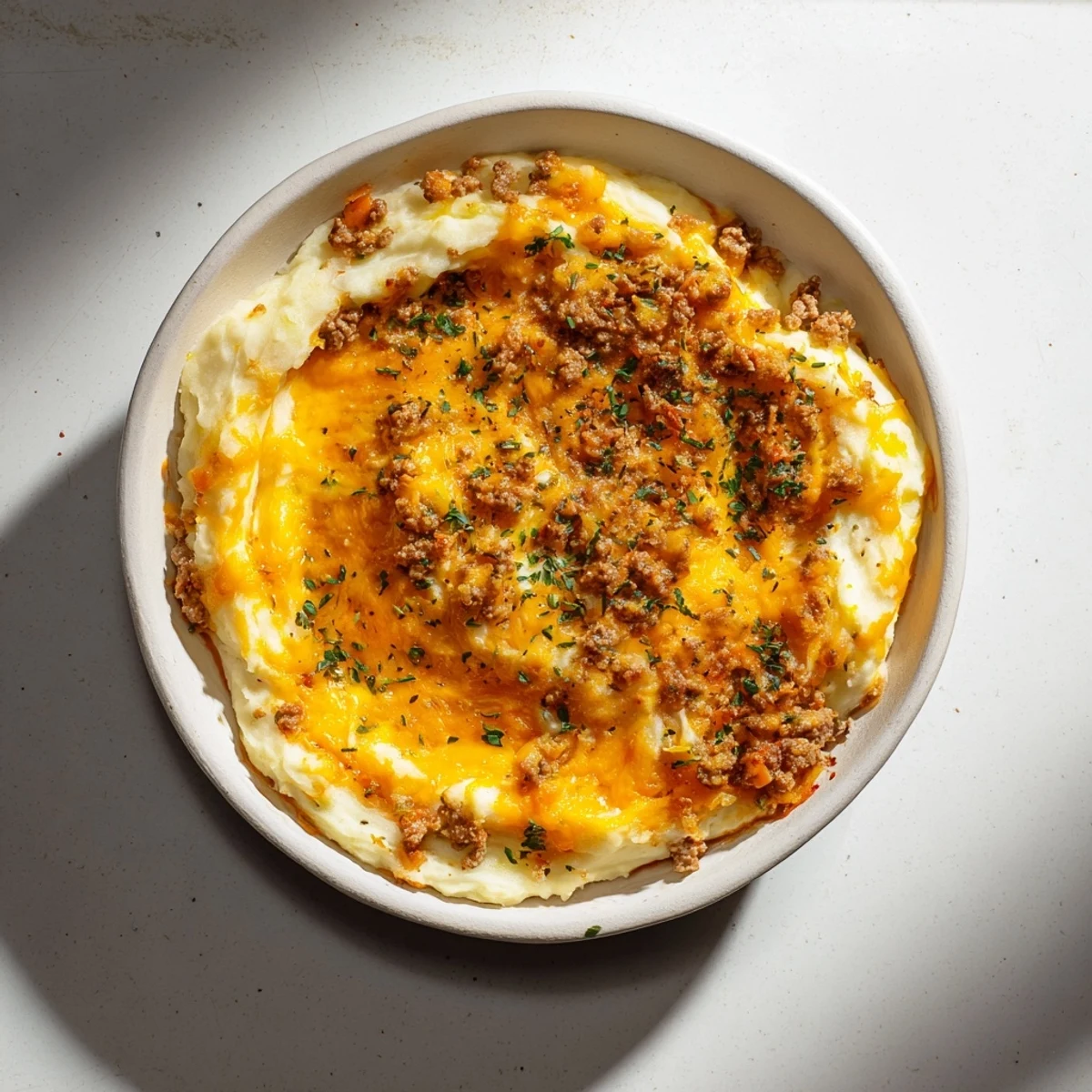
Save This comforting British dish features a rich blend of ground lamb, aromatic vegetables, and herbs slow-simmered to savory perfection. It’s topped with creamy mashed potatoes, enriched with butter and milk, then baked until the surface is beautifully golden and bubbling. The tender meat filling is layered with peas, tomato paste, and fresh thyme and rosemary, creating a hearty and satisfying experience. Ideal for a family main dish, best served after a short resting period to allow flavors to meld.
I still remember the first time I made shepherd's pie from scratch—it was a rainy Sunday afternoon, and I'd just inherited my grandmother's old ceramic baking dish. She'd told me years before that this was the dish that made her feel most at home, the one she'd serve when family gathered around the table in her small Yorkshire kitchen. When I finally tried it myself, layering that tender, herb-infused lamb filling under clouds of buttery mashed potatoes, I understood exactly what she meant. The smell alone was enough to bring everyone into the kitchen, and by the time it came out of the oven, golden and bubbling at the edges, I knew I'd discovered something that would become part of my own cooking story.
One Sunday last winter, I made this for a dinner party when snow was falling outside, and I watched my oldest friend take that first bite and just close her eyes. When she opened them again, she said it reminded her of her childhood, of coming home to something warm and real. That's when I realized shepherd's pie isn't just about the ingredients—it's about creating a moment where everyone at the table feels a little bit loved.
Ingredients
- Potatoes (1.5 kg): The foundation of comfort—waxy varieties work best here because they hold their shape when mashed rather than becoming gluey. Don't skip the draining step; excess water is the enemy of creamy mash.
- Unsalted butter (60 g): This is where richness comes from, so use good butter you'd actually want to eat on toast. It's worth the difference.
- Milk (100 ml): Whole milk makes the potatoes luxuriously smooth, but if you're out, cream or even a splash of the cooking water will work in a pinch.
- Cheddar cheese (50 g, optional): I learned to always add this after one pie came out too plain—it adds a savory depth that guests can't quite identify but absolutely love.
- Olive oil (2 tbsp): For the base, something you don't mind using generously since it flavors the entire filling.
- Onion, carrots, celery: This is the holy trinity that builds flavor—take your time softening them because this is where the foundation of everything delicious begins.
- Ground lamb (750 g): The star of the filling. It's richer than beef, with a subtle earthiness that makes this feel special. Break it apart properly as it cooks so it becomes tender, almost silky.
- Tomato paste (2 tbsp): This concentrate of umami brings depth—don't skip it, and don't be shy with it.
- Worcestershire sauce (1 tbsp): The secret ingredient that makes people ask what you did differently. It adds a mysterious, savory note that ties everything together.
- Fresh thyme and rosemary: Fresh herbs change everything, but dried work fine—just use half the amount. These herbs are the voice of the dish, speaking of herbs and tradition.
- Beef or lamb stock (200 ml): The liquid that binds the filling together. Homemade is ideal, but good quality store-bought will absolutely do.
- Frozen peas (100 g): A bright pop of sweetness and color that you stir in at the very end, like a final note of music.
Instructions
- Prepare your oven and potatoes:
- Start by preheating your oven to 200°C (400°F)—this gives it time to reach the perfect heat while you work. Cut your potatoes into similar-sized chunks (about the size of walnuts) so they cook evenly. As you work, you'll notice how the knife glides through raw potato, and soon enough you'll be boiling them until they're tender enough to break with a fork. This is a moment to be present—listen for when the water reaches a rolling boil, smell the starch rising from the pot.
- Master the mash:
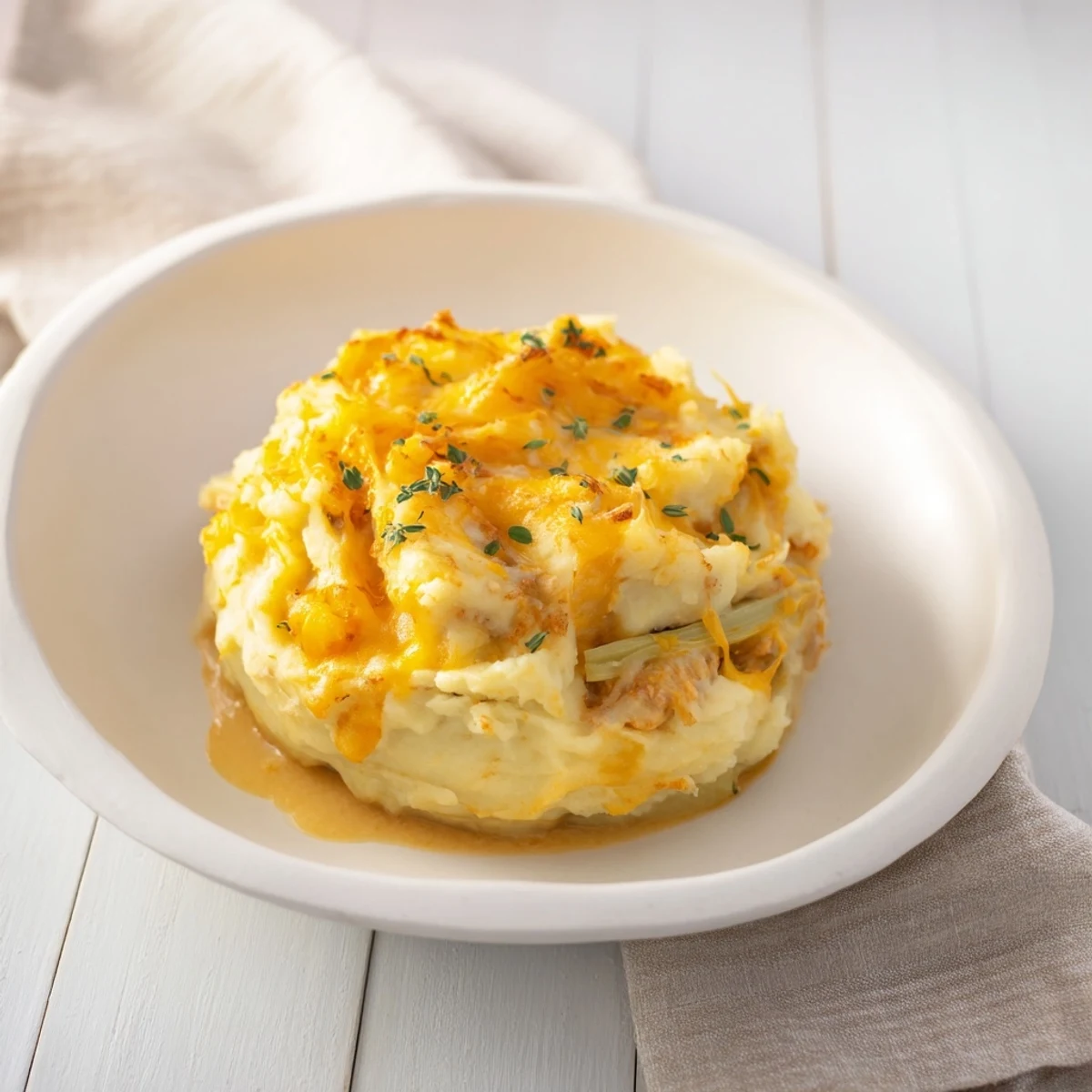
- Once your potatoes are fork-tender, drain them completely in a colander, shaking gently to remove every drop of water. Return them to the warm pot—the residual heat helps them stay fluffy. Add your butter and milk, then begin mashing with intention, working until you reach that perfect creamy consistency with just a hint of texture. Stir in the cheese if you're using it (and I think you should), then season carefully with salt and pepper. Set this aside somewhere warm while you make the filling.
- Build the lamb filling foundation:
- Heat your olive oil in a large skillet over medium heat until it shimmers slightly. Add your chopped onion, carrots, and celery—this is the moment the kitchen begins to smell like something good is happening. Sauté these vegetables, stirring occasionally, until they're soft and fragrant, about 5–7 minutes. You're creating flavor, building layers.
- Brown the lamb with intention:
- Add your minced garlic and let it bloom in the oil for just one minute—you'll smell when it's ready. Then add your ground lamb, using a wooden spoon to break it apart as it cooks. This step takes 6–8 minutes, and it's important to break the meat into small, tender pieces rather than leaving large chunks. The lamb should be deeply browned, almost caramelized in spots, with no pink remaining.
- Add the aromatic elements:
- Stir in your tomato paste, Worcestershire sauce, fresh thyme, and rosemary. As these hit the hot pan, you'll smell a shift—suddenly it smells like something from a proper kitchen. Cook for 2 minutes, stirring constantly, letting the paste deepen in color and the herbs release their oils.
- Build the sauce:
- Pour in your stock and bring the mixture to a gentle simmer. You'll watch it transform from a wet mass into something with body and structure. Cook for about 10 minutes, stirring occasionally, until the liquid reduces slightly and the flavors concentrate. This is where patience matters—you're not rushing, you're building.
- Finish with brightness:
- Stir in your frozen peas and cook for just 2 more minutes—they'll warm through and add a sweet, delicate note. Remove from heat and taste. Adjust seasoning if needed. This is your filling, and it should taste rich and deeply savory, like something worth waiting for.
- Assemble your pie:
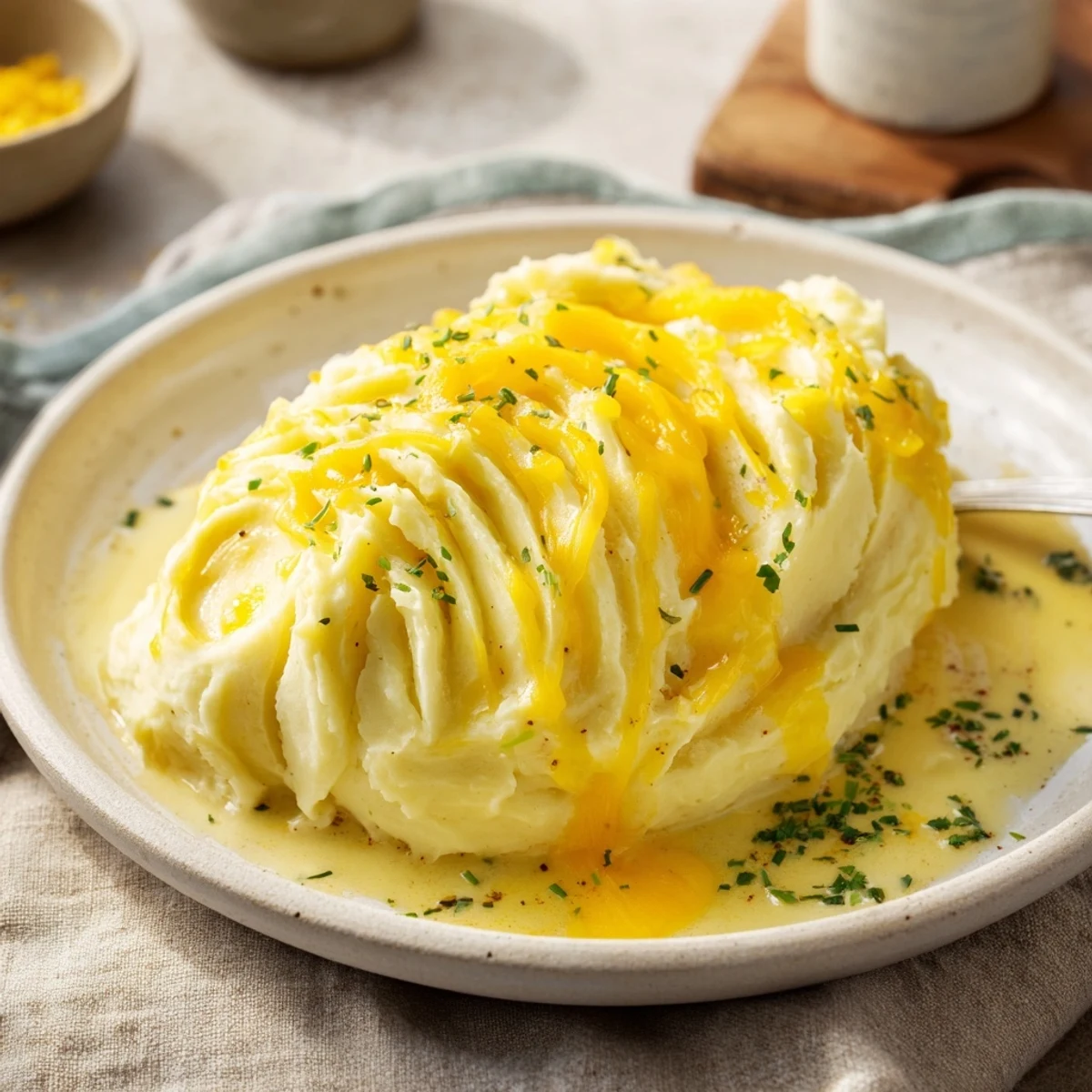
- Spread the lamb mixture evenly in your baking dish—don't be timid, press it gently so it settles. Then, spoon your mashed potatoes over the top, spreading them gently to cover every bit of the filling. Take a fork and create ridges across the surface—these ridges will catch the heat and become golden and crispy, and they're not just practical, they're beautiful.
- Bake until golden:
- Place in your preheated oven and bake for 25–30 minutes, until the top is golden brown and you can see the filling bubbling slightly at the edges. This is when the kitchen smells like everything good—when you can barely wait.
- Rest before serving:
- Let the pie rest for 10 minutes out of the oven. This isn't wasted time—it allows everything to set, to come together, to become something whole. During these 10 minutes, the anticipation builds.
 Save
Save Years ago, I brought a shepherd's pie to my neighbor when she was recovering from surgery, and she later told me it was the first meal that made her feel like she was actually going to be okay. That's when I understood that cooking this dish goes beyond following steps—it's about putting care into something physical that becomes comfort for the people we love.
Why This Dish Endures
Shepherd's pie has survived generations because it understands something fundamental about food: it knows how to be both humble and elegant, simple yet satisfying. The British have been perfecting this for centuries, passing it down through family kitchens, refining it with each generation. What makes it special isn't complexity—it's the restraint of ingredients married with technique, the way each component supports the others. When you make this, you're not just cooking dinner; you're participating in a tradition that says comfort and care matter.
Customizing Your Pie
One of the beautiful things about shepherd's pie is its flexibility within tradition. Some families swear by adding a layer of finely sliced tomatoes under the potatoes, others add mushrooms to the filling for earthiness. If you prefer a lighter version, substitute ground turkey for the lamb, though you'll lose some of that rich, distinctive flavor. For a vegetarian version, use lentils and mushrooms in place of the meat—the flavors shift, but the comfort remains. I've even made it with ground beef when that's what I had on hand, and while purists call that cottage pie, honestly, a well-made version is still deeply satisfying.
The Art of Serving and Storing
Serve this straight from the oven, when the potatoes are still steaming and the edges are bubbling. A simple green salad or crusty bread alongside is all you need—the pie is complete in itself. If you're making this ahead, you can assemble it entirely, cover it with plastic wrap, and refrigerate for up to 24 hours. Just add 10 extra minutes to your baking time if baking from cold. Leftovers reheat beautifully in a 180°C oven, covered loosely with foil, for about 20 minutes, and somehow they taste even better the next day when all the flavors have had time to meld together.
- Always use a baking dish that's large enough so the filling doesn't overflow—nothing worse than a mess in the oven, though we've all been there.
- If the top starts browning too quickly, tent it loosely with foil for the last 10 minutes of baking.
- Serve with a dollop of sour cream or a small pour of gravy if you're feeling generous—it's never unwelcome.
 Save
Save When someone sits down to a plate of shepherd's pie you've made, they're getting more than dinner—they're getting a small piece of history, tradition, and your own kitchen story all rolled into one golden-topped dish. That's the real magic here.
Recipe Questions & Answers
- → What type of potatoes work best for topping?
-
Starchy potatoes like Russets or Yukon Golds are ideal as they mash smoothly and hold a fluffy texture after baking.
- → Can other meats be used instead of lamb?
-
Yes, ground beef is a classic alternative often used to create a cottage pie variation with a similar rich flavor.
- → How do fresh herbs affect the dish?
-
Fresh thyme and rosemary provide fragrant, earthy notes that enhance the savory profile of the meat filling.
- → Is it necessary to add cheese to the potato topping?
-
Cheese is optional but adds a pleasant richness and a lightly browned crust when baked on top.
- → What is the best way to achieve a golden crust on the potato layer?
-
Using a fork to create ridges on the mashed potatoes increases surface area, allowing it to brown evenly during baking.
- → How should leftovers be stored?
-
Store leftovers in an airtight container in the refrigerator for up to three days and reheat thoroughly before serving.