
 Save
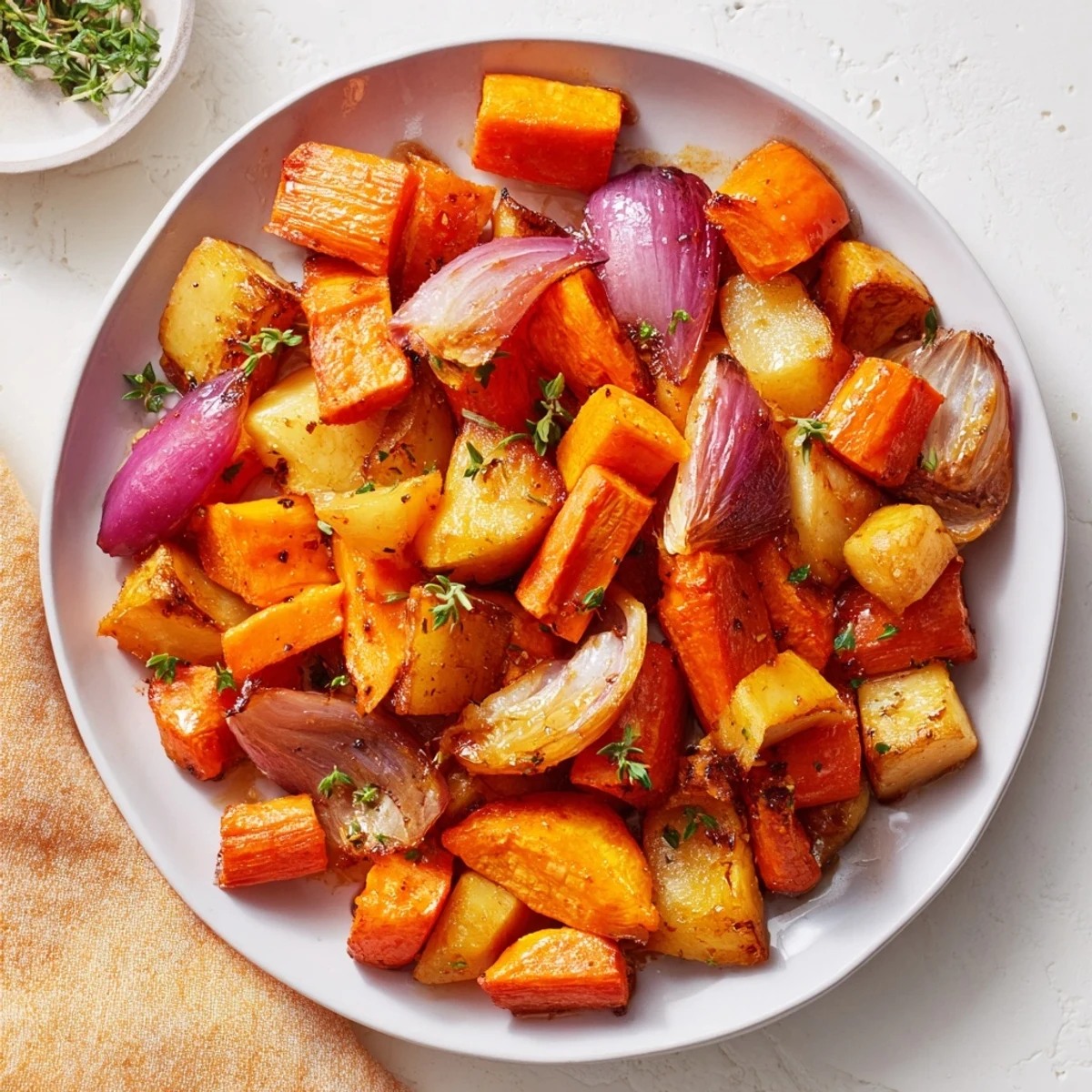
Save This dish features a colorful mix of carrots, parsnips, sweet potato, rutabaga, and red onion, all lightly coated with olive oil, honey, thyme, salt, and pepper. Roasting at high heat caramelizes the vegetables, enhancing their natural sweetness while the honey glaze adds a subtle balance of flavors. Ready in under an hour, it serves as a warm and wholesome side perfect for vegetarian or gluten-free meals. Optional parsley garnish adds freshness and color.
I remember the first time I truly understood the magic of roasted vegetables. It was a crisp autumn evening when my grandmother pulled a baking sheet from her oven, and the kitchen filled with this incredible aroma of caramelized sweetness and earthy richness. The carrots had turned a deep golden brown, the parsnips were almost honeyed, and I realized in that moment that simple vegetables could be transformed into something genuinely special with just heat, time, and a touch of honey. That night changed how I approached cooking root vegetables forever.
I made this dish for my partner's family dinner last Thanksgiving, and watching his usually reserved mother close her eyes while taking a bite told me everything I needed to know. She asked for seconds, then thirds, and suddenly this humble side became the conversation starter of the meal. That's when I realized roasted root vegetables aren't just a side dish—they're a quiet confidence builder in the kitchen.
Ingredients
- Carrots (2 large, cut into 1-inch pieces): These are your sweet backbone. When roasted low and slow, their natural sugars concentrate and caramelize beautifully. I always choose the thicker carrots and cut them evenly so everything roasts at the same pace.
- Parsnips (2, cut into 1-inch pieces): If you've never cooked with parsnips, this is your moment. They have this subtle, almost vanilla-like sweetness that becomes almost dessert-like when roasted. They're the secret weapon that makes people ask what that incredible flavor is.
- Sweet potato (1 large, cubed): This brings color and an earthy sweetness that balances the other vegetables. I peel it just before tossing with oil to prevent oxidation.
- Rutabaga or turnip (1 small, cubed): This adds a slight peppery note and keeps the flavor profile interesting. If you can't find rutabaga, turnip works beautifully, or even add cubed regular potato for earthiness.
- Red onion (1, cut into wedges): The onion caramelizes alongside everything else and becomes sweet and mellow. Those thin layers separate naturally and create little crispy bits that are honestly the best part.
- Olive oil (3 tbsp): This is what creates the golden crust. Don't skimp here—good olive oil makes a genuine difference in how the vegetables brown and taste.
- Honey (2 tbsp): Just a touch of honey intensifies all the natural sweetness the vegetables already have. It doesn't make the dish sweet; it makes it taste more like itself.
- Fresh thyme (1 tsp, or ½ tsp dried): Thyme and root vegetables are soulmates. The woodsy, slightly minty notes complement the earthiness perfectly. Strip the leaves right off fresh thyme before tossing.
- Sea salt (1 tsp) and black pepper (½ tsp): Season generously—roasted vegetables need it to shine.
- Fresh parsley (2 tbsp, optional): A bright garnish that adds color and a fresh note right before serving.
Instructions
- Heat your oven and prep your stage:
- Set your oven to 425°F and let it come to full heat. While it's warming, line a large baking sheet with parchment paper. This is your foundation—parchment keeps everything from sticking and helps create that beautiful caramelization without burning.
- Cut and combine your vegetables:
- Get all your vegetables cut into roughly 1-inch pieces, keeping them as uniform as possible. Uneven sizes mean uneven cooking, and you want everything tender and golden at the same moment. Throw everything into a large bowl and take a moment to admire how colorful it all is.
- Coat everything in the glaze:
- Drizzle the olive oil and honey over the vegetables, then add the thyme, salt, and pepper. Use your hands or two spoons to toss everything together until each piece is glistening and evenly coated. This is meditative—really make sure nothing is missed.
- Spread and roast:
- Transfer everything to your prepared baking sheet in a single layer. Don't crowd the pan—vegetables need space around them to roast properly and brown. If they're too crowded, they'll steam instead. Slide into your hot oven and let the magic happen for 35 to 40 minutes.
- Stir for even cooking:
- About halfway through (around 18 to 20 minutes), give everything a good stir. This ensures the pieces on top and bottom both get that gorgeous caramelization. The vegetables should already be smelling incredible at this point.
- Check for doneness:
- The vegetables are ready when a fork pierces them easily and the edges are golden brown and slightly crispy. Some pieces will have darker, caramelized spots—that's exactly what you want. The parsnips and carrots will be fork-tender, and the onions will have turned almost translucent and sweet.
- Finish and serve:
- Transfer everything to your serving platter while it's still warm. Sprinkle with fresh parsley if you're using it. Serve immediately while the vegetables still have some warmth and the edges are at their crispiest.
 Save
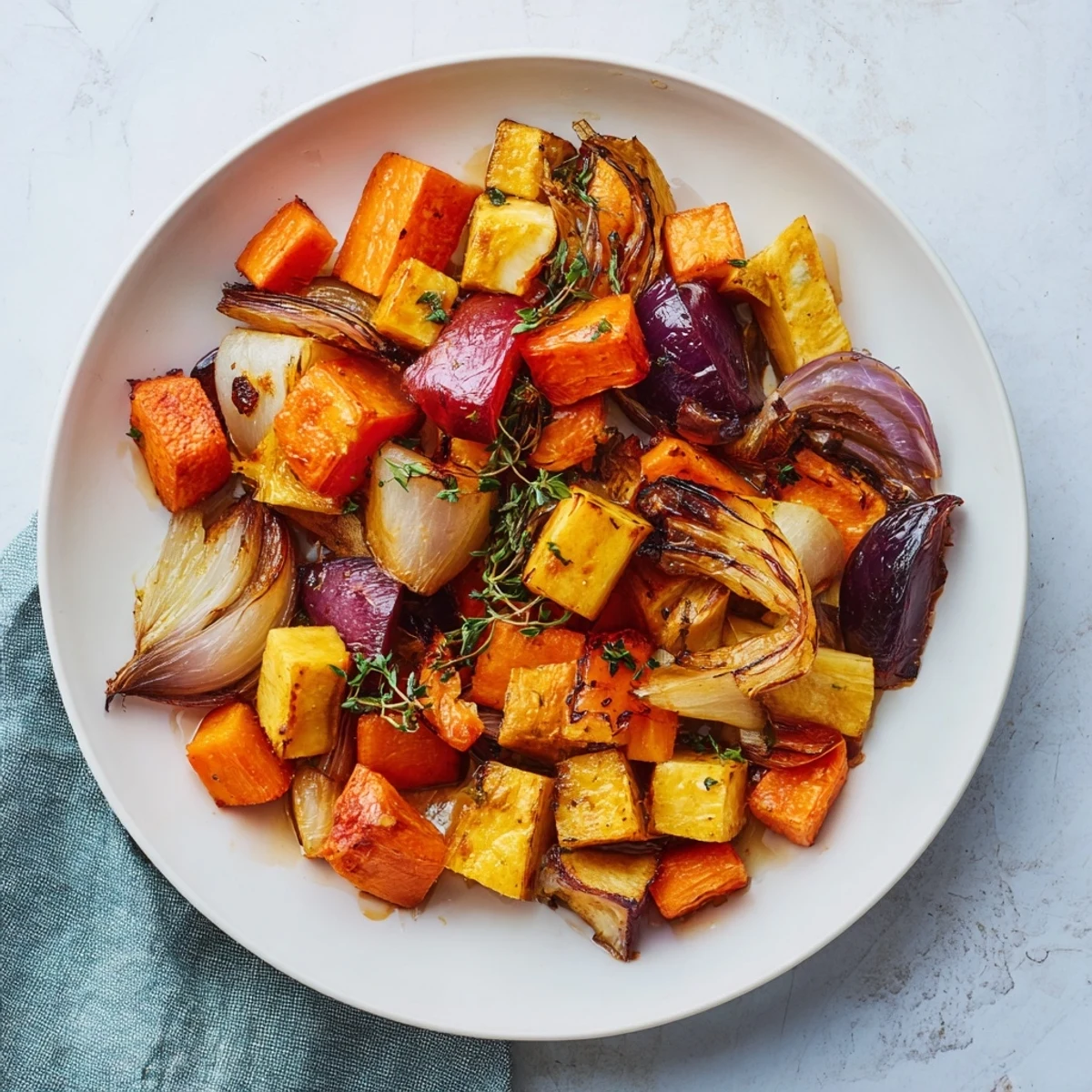
Save There's something about sitting down to a plate of vegetables that look and taste like they came from a restaurant that makes you feel capable in the kitchen. That moment when you cut into a piece of roasted carrot and it's perfectly tender but still has some texture, when the honey has created this subtle glaze that catches the light—that's when you realize you're not just following a recipe, you're creating something with your hands and your attention.
Flavor Variations and Swaps
Once you understand how this recipe works, you can play with it. Beets add earthiness and that stunning deep purple color—just roast them separately first or they'll stain everything pink. Golden or red potatoes make great additions for texture variation. Maple syrup is a beautiful swap for the honey if you want a slightly deeper, more woodsy sweetness. Garlic cloves roasted whole become sweet and creamy. Even a pinch of smoked paprika or a few rosemary sprigs can take this in new directions. The base technique stays the same; what changes is your creativity.
Pairing This Dish
This is the kind of side dish that works with almost everything. It's perfect next to a simple roasted chicken or a well-seared salmon. For vegetarian meals, it's substantial enough to be part of a grain bowl or served alongside roasted tofu. I've even made it the centerpiece of a vegetarian dinner party, piled it on a bed of wilted greens, and topped it with crumbled goat cheese and a drizzle of balsamic. It's also wonderful the next day straight from the fridge as part of a lunch salad or just eaten as a snack.
Storage and Make-Ahead Tips
One of the best things about this recipe is that it actually improves with time. The flavors deepen and the honey glaze sets into a beautiful coating. Store leftovers in an airtight container in the refrigerator for up to 4 days. You can reheat gently in a low oven, but honestly, they're wonderful at room temperature or even cold straight from the fridge the next day. If you're planning ahead, you can cut all your vegetables several hours in advance and keep them in the fridge in a sealed container—just toss them with oil and seasonings right before roasting to keep them fresh.
- Meal prep like a pro by roasting a double batch on Sunday and having vegetables ready for the week ahead.
- Room temperature vegetables become a simple lunch salad with the addition of some greens, a protein, and a vinaigrette.
- Leftover roasted vegetables can be blended into soups, added to frittatas, or tucked into grain bowls for instant depth of flavor.
 Save
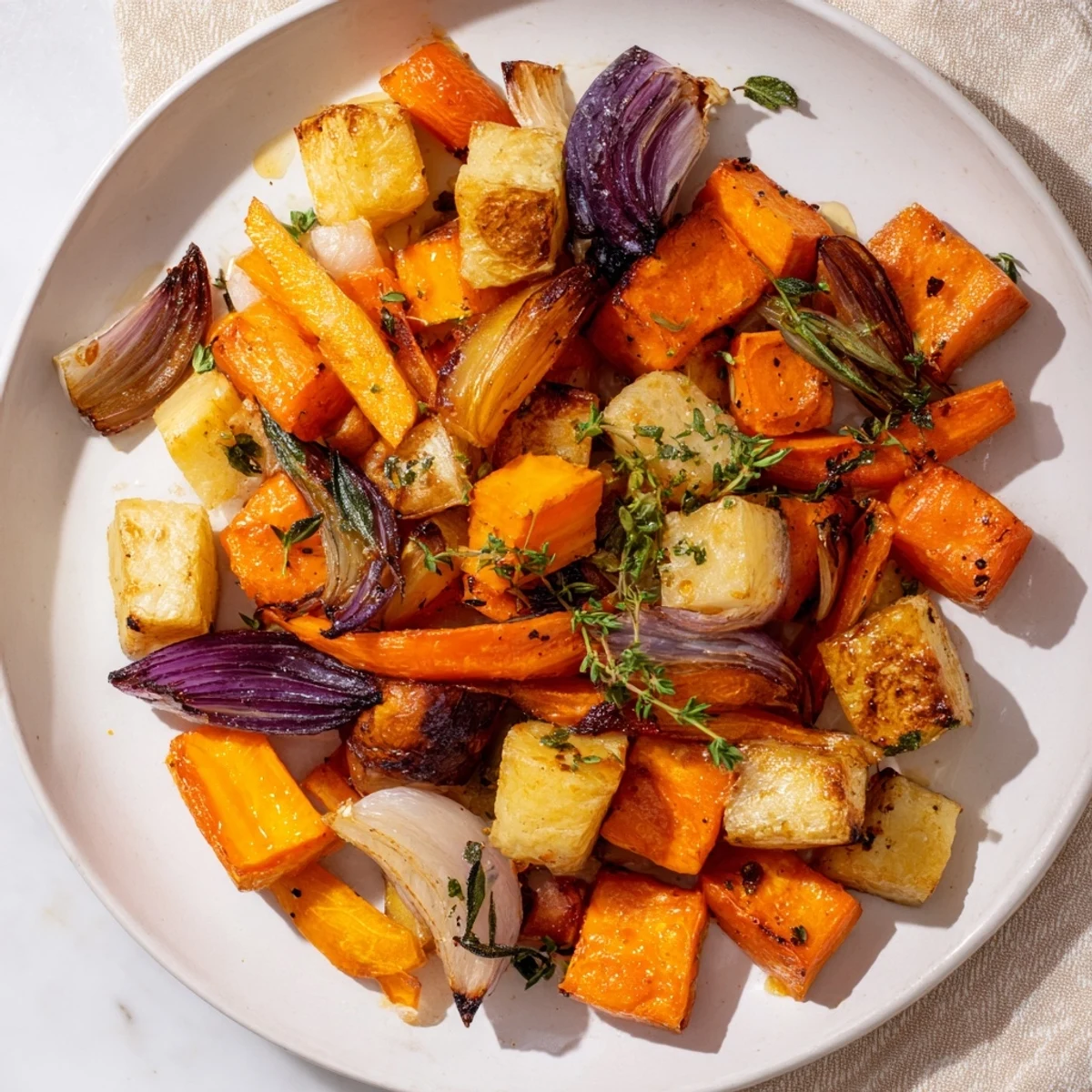
Save This recipe taught me that sometimes the most satisfying food comes from respecting simple ingredients and giving them the time and heat they need to become their best selves. Roasted root vegetables remind me that good cooking doesn't require complexity—just attention, good ingredients, and the warmth of an oven.
Recipe Questions & Answers
- → What vegetables are used in this dish?
-
Carrots, parsnips, sweet potato, rutabaga (or turnip), and red onion make up the root vegetable mix.
- → How does honey affect the flavor?
-
Honey adds a subtle sweetness and helps caramelize the vegetables for a rich, savory-sweet balance.
- → Can I make this dish vegan?
-
Yes, by replacing honey with maple syrup, this side can be made fully vegan.
- → What is the suggested oven temperature and roasting time?
-
Roast the vegetables at 425°F (220°C) for 35–40 minutes until tender and caramelized.
- → Are there any seasoning alternatives to thyme?
-
Fresh or dried rosemary, sage, or oregano can also complement the root vegetables well.