
 Save
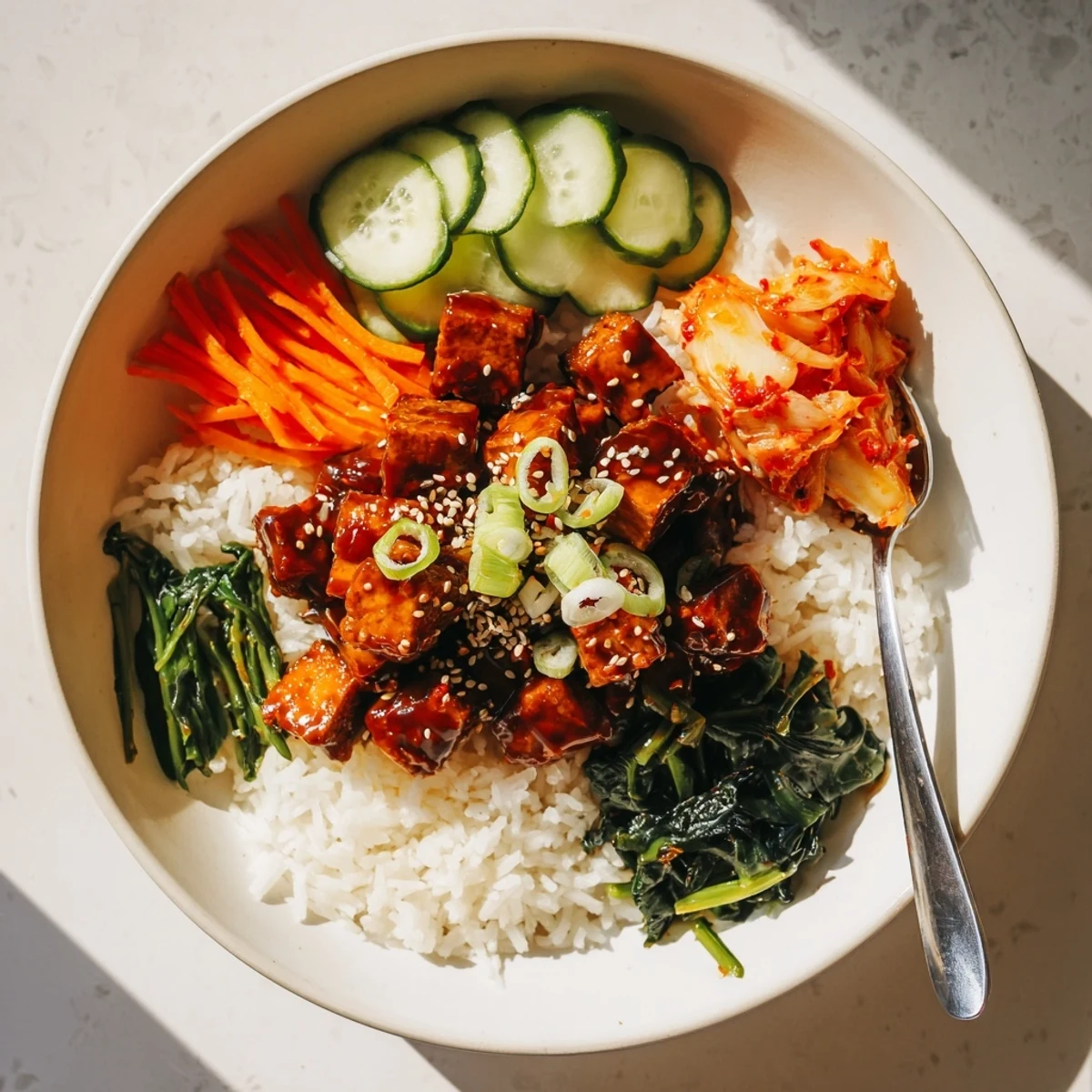
Save Crispy shredded tofu gets a serious upgrade in this Korean-inspired comfort bowl. Extra-firm tofu is shredded, coated in cornstarch, and baked until golden and crunchy, then tossed in a homemade bulgogi sauce made with soy sauce, brown sugar, mirin, sesame oil, garlic, ginger, and a hit of gochujang for warmth.
The whole thing comes together over a bed of fluffy short-grain rice, layered with julienned carrot, sliced cucumber, seasoned spinach, and optional kimchi. It takes about 40 minutes from start to finish and serves four generously. You can swap in brown rice or cauliflower rice, add mushrooms or avocado, and make it gluten-free with tamari. Every bite delivers that perfect balance of sweet, savory, and crispy.
My roommate in college used to joke that tofu was just edible styrofoam, and honestly, back then I agreed with her. It took one rainy Tuesday night experimenting with shredded tofu and a homemade bulgogi sauce to completely change both our minds. The sound of it crisping in the pan was so satisfying she wandered into the kitchen just to watch.
I brought a big batch of these bowls to a friend's apartment warming party last winter, and her partner, a devout meat eater, went back for thirds. He genuinely did not believe it was tofu until I showed him the empty block wrapper in my bag.
Ingredients
- Extra-firm tofu: Pressing it thoroughly is the single most important thing you can do. I use a heavy cast iron skillet on top for about twenty minutes and it makes a world of difference in how crispy the shreds get.
- Cornstarch: This is what creates that delicate crust. Do not skip it or substitute with flour because the texture simply will not compare.
- Soy sauce: The backbone of the whole sauce. Use tamari if you need it gluten free and you will not taste a difference.
- Brown sugar: Balances the saltiness and helps the sauce caramelize slightly when it hits the warm tofu.
- Mirin: Adds a gentle sweetness and subtle acidity that rounds everything out. Rice vinegar works in a pinch but mirin is worth finding.
- Sesame oil: Just one tablespoon transforms the sauce from flat to deeply aromatic. Toasted is the only kind that makes sense here.
- Gochujang: Even if you are sensitive to heat, a small amount adds a fermented depth you cannot replicate with anything else.
- Fresh ginger: Pre-grated jarred ginger will work but fresh grated smells completely different and that smell is half the experience.
- Cooked short-grain white rice: The slightly sticky texture cradles the toppings beautifully. Brown rice is fine but the bowl will feel less cohesive.
- Carrot and cucumber: These provide crunch and freshness that cut through the rich saucy tofu. Julienne them thin so they do not overwhelm each bite.
- Sautéed spinach: A quick blanch with a drop of sesame oil turns boring spinach into something you actually crave.
- Kimchi: Optional in theory but I honestly think it is what elevates this from good to the kind of bowl you think about randomly on a Tuesday.
Instructions
- Get the tofu ready:
- Shred the pressed tofu with your hands or a fork into rough pulled pieces. Toss with cornstarch until every strand has a faint dusty coating.
- Crisp it up:
- Spread on a parchment-lined tray, drizzle with oil, and bake at 220°C for 25 to 30 minutes, tossing halfway through. The pieces should be deeply golden with crunchy edges before you even think about pulling them out.
- Whisk the sauce:
- Combine soy sauce, brown sugar, mirin, sesame oil, garlic, ginger, gochujang, sesame seeds, and green onion in a bowl. Stir until the sugar dissolves completely.
- Prep your vegetables:
- Blanch the spinach briefly, season with salt and sesame oil, then slice your carrot and cucumber into thin matchsticks.
- Bring it all together:
- Toss the hot crispy tofu directly into the sauce, stir to coat, then assemble bowls with rice, veggies, tofu, and kimchi. Finish with extra sesame seeds and sliced chili.
 Save
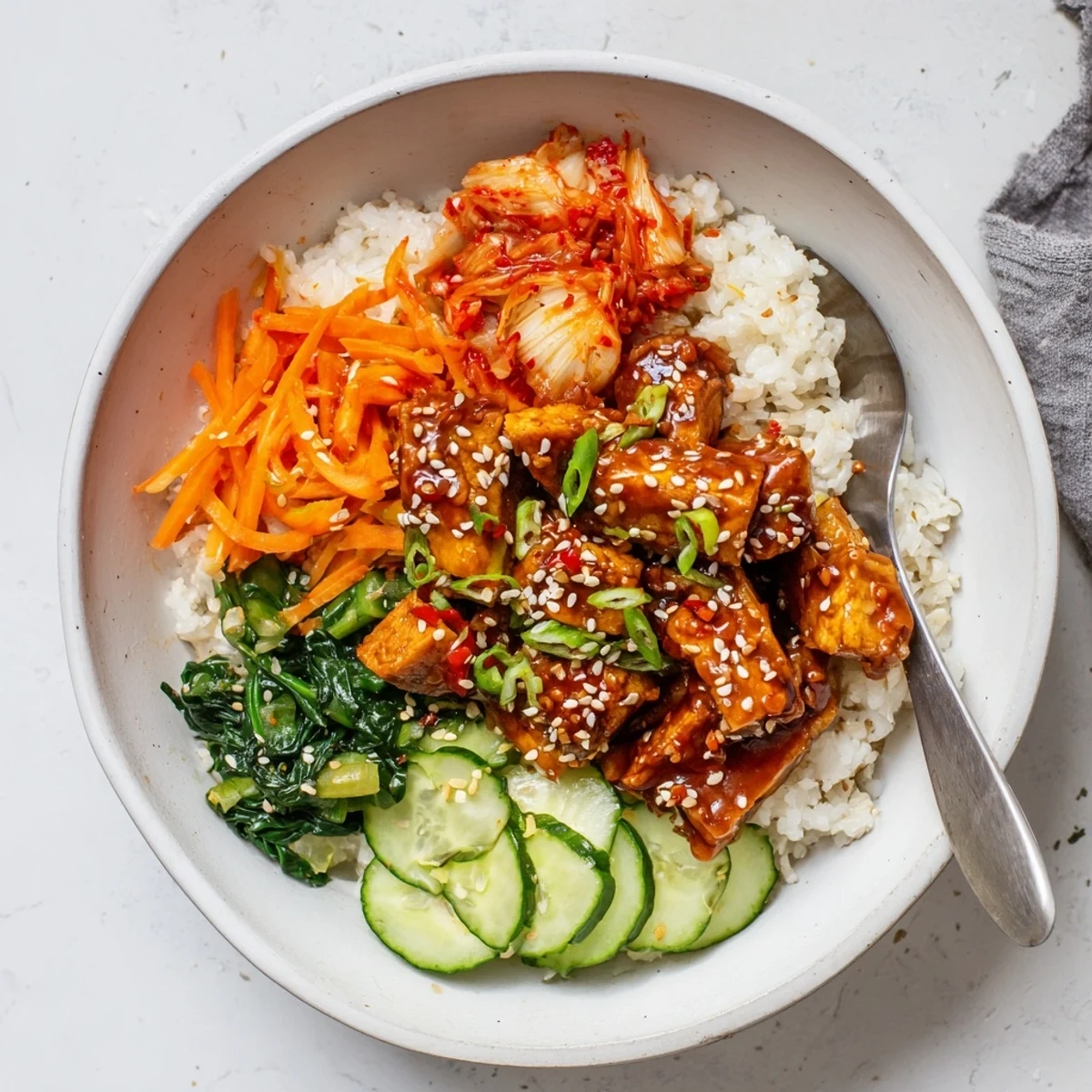
Save There is something about arranging all those colorful toppings in neat sections over warm rice that feels almost meditative. My daughter now insists on building her own bowl every time, piling the kimchi into one corner like a little spicy fortress.
Picking the Right Tofu
Not all extra-firm tofu is created equal. Some brands hold more water than others no matter how long you press. After a few disappointing batches I started buying the kind that comes vacuum sealed rather than in water tubs and the texture difference is noticeable.
Making It Your Own
The beauty of a bowl like this is how forgiving it is. I have thrown in sautéed mushrooms, roasted sweet potato cubes, and even a handful of bean sprouts on nights when the fridge needed clearing. As long as the tofu and sauce are solid, everything else is flexible.
Getting the Rice Right
Short-grain rice needs a good rinse before cooking to remove excess starch. I swish mine in a bowl of cold water about four times until it runs mostly clear. It makes the final texture fluffier and less gummy, which matters more than people realize in a bowl like this.
- Start the rice before anything else so it has time to rest and firm up slightly
- Keep a pot of water simmering nearby for quick vegetable blanching
- Warm your serving bowls in a low oven if you want the whole thing to stay hot longer
 Save
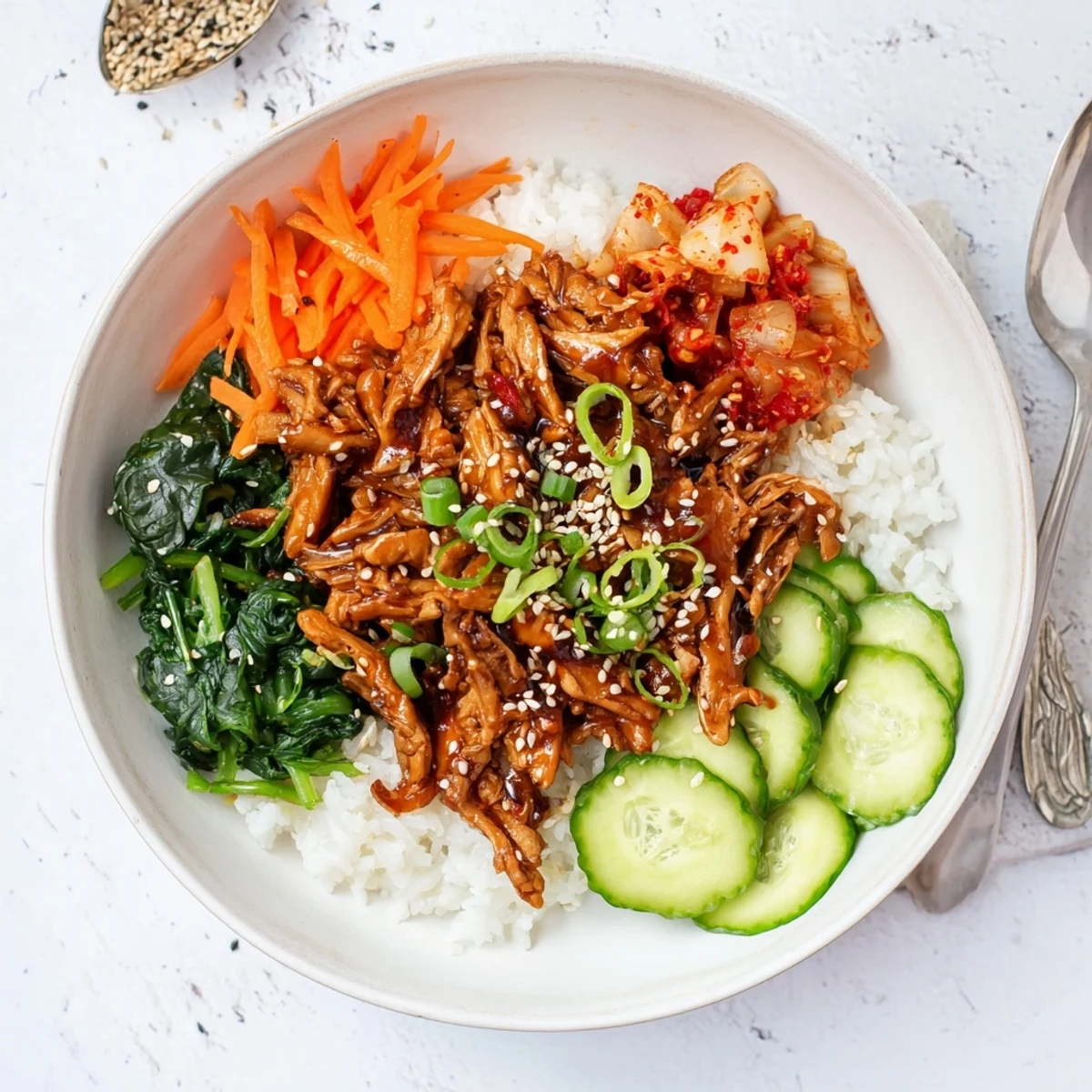
Save This bowl has become my go-to answer for those nights when I want something deeply satisfying without any of the usual kitchen drama. It is the kind of meal that makes you pause mid-bite and just feel grateful for simple food done really well.
Recipe Questions & Answers
- → How do I get the tofu really crispy?
-
Press and drain the tofu thoroughly first, then shred it into small pieces and toss evenly with cornstarch. Bake at 220°C on parchment, tossing halfway through, until deeply golden on all edges.
- → Can I pan-fry the tofu instead of baking?
-
Absolutely. Heat a non-stick skillet with a thin layer of neutral oil and pan-fry the shredded tofu in batches over medium-high heat until crisp, about 5-7 minutes per batch.
- → Is this bowl gluten-free?
-
With a simple swap it can be. Replace the soy sauce with tamari and make sure your gochujang is certified gluten-free. Double-check kimchi labels for hidden wheat-based ingredients.
- → What can I use instead of gochujang?
-
Sriracha works as a substitute if you want heat without the fermented depth of gochujang. You can also skip it entirely for a milder, sweeter bulgogi flavor profile.
- → Can I prepare anything ahead of time?
-
The bulgogi sauce keeps well in the fridge for up to 5 days. You can also cook the rice, blanch the spinach, and prep the vegetables a day ahead. Tofu is best crisped right before serving.
- → What protein alternatives work in this bowl?
-
Shredded oyster mushrooms, seitan strips, or even thinly sliced tempeh would all take the bulgogi sauce beautifully. Adjust cooking times accordingly for each.