
 Save
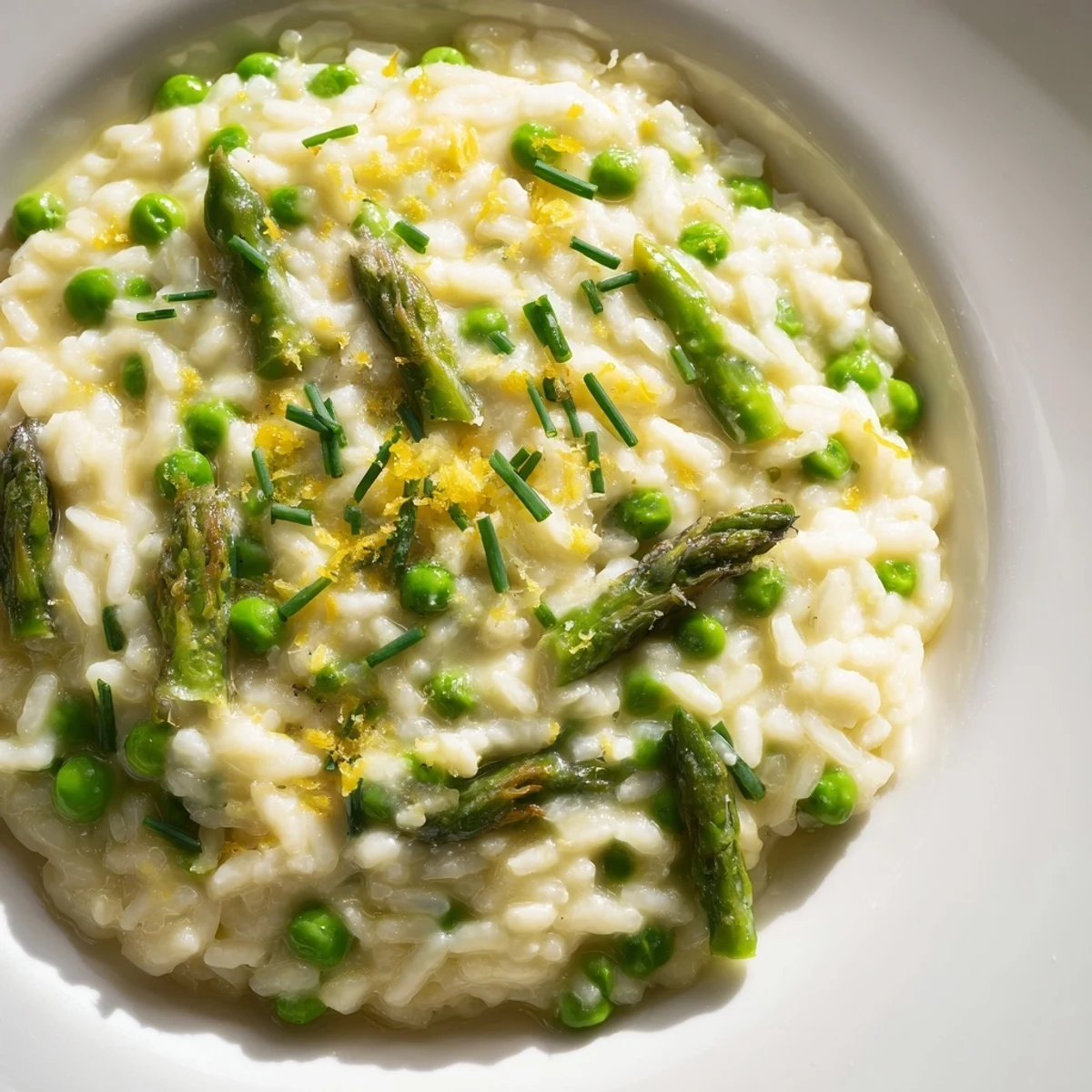
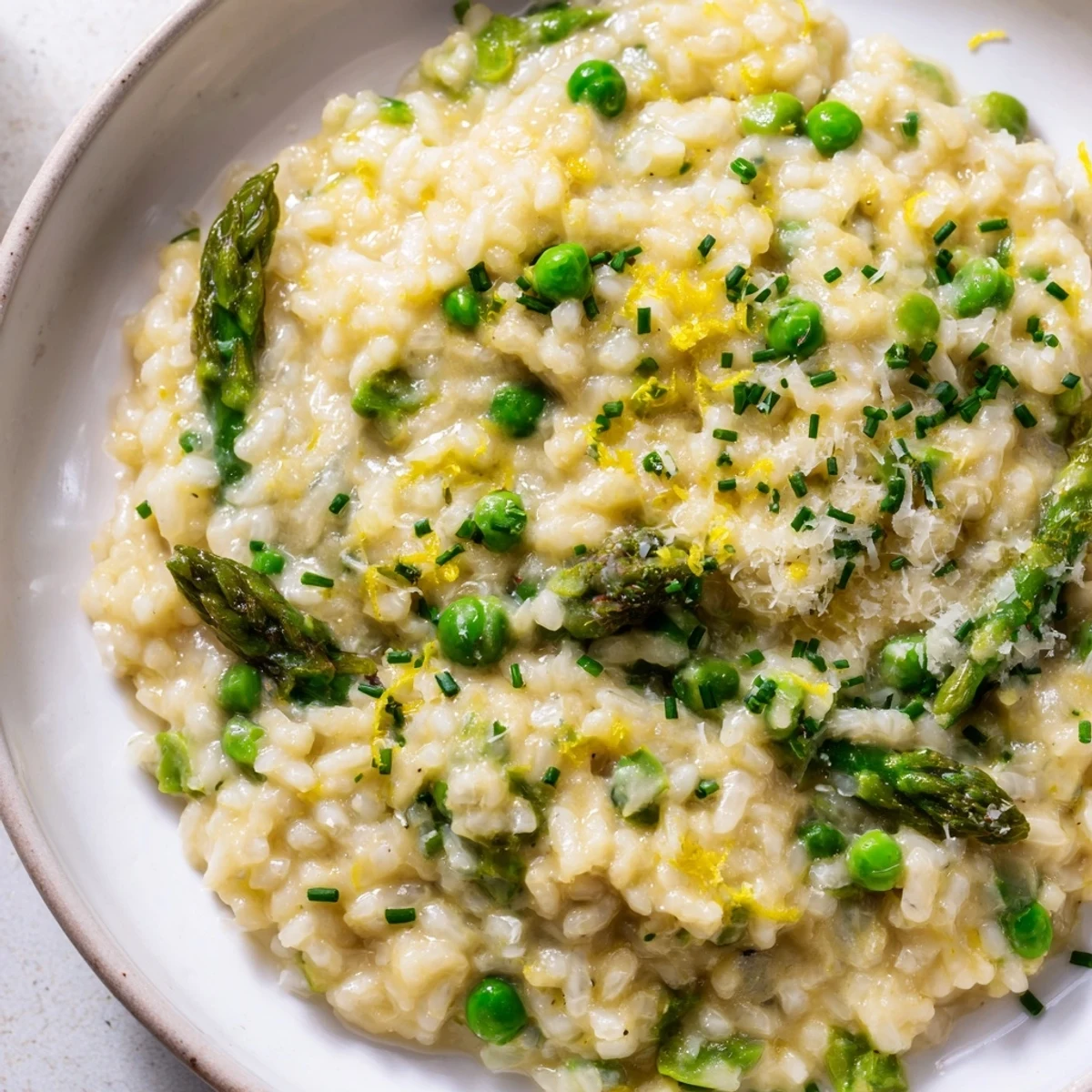
Save This creamy risotto highlights fresh spring peas and tender asparagus, slowly cooked with Arborio rice, white wine, and vegetable stock. The dish is enriched with butter, Parmigiano Reggiano, heavy cream, and lemon zest to create a velvety texture bursting with bright flavors. Perfect for welcoming spring at the table, it offers a satisfying vegetarian and gluten-free-friendly option when prepared with suitable stock. Aromatic garlic and onions provide depth, while optional herbs add freshness. Ideal for a comforting yet refined meal.
The first time I made this risotto was during a rainy April weekend when the farmers market had just started carrying those impossibly sweet spring peas. I ended up calling my neighbor over for an impromptu lunch because the smell of onions and garlic hitting that olive oil was too good not to share.
Last spring I made this for my mothers birthday dinner, and she actually paused mid conversation to say this was the best risotto shed ever tasted. The lemon zest was her favorite part that bright pop against all that rich creaminess.
Ingredients
- Arborio rice: This short grain rice releases starch as it cooks creating that signature creamy texture without needing much cream
- Asparagus: Trim those woody ends well because they never soften properly and will ruin the texture
- Fresh peas: If you can only find frozen peas just add them in the last 5 minutes so they dont turn mushy
- Lemon zest: This brightens the whole dish and cuts through the richness so every bite stays interesting
- Butter and Parmigiano: Dont skimp here because finishing the risotto off heat is what makes it restaurant quality
Instructions
- Build your flavor foundation:
- Heat that olive oil in your heavy pan and get the onion translucent and fragrant before adding garlic so it doesnt burn and turn bitter
- Toast the rice:
- Add the Arborio rice and stir until the edges turn slightly translucent which helps the grains hold their texture during all that stirring
- Deglaze with wine:
- Pour in the white wine and let it bubble away until mostly absorbed which adds a lovely depth to the final dish
- The slow stock addition:
- Add warm stock one ladle at a time stirring almost constantly and letting each addition absorb before the next
- Add vegetables at the right time:
- Stir in asparagus pieces first then peas after 5 minutes so everything ends up perfectly tender
- The finishing touch:
- Remove from heat and stir in butter Parmigiano cream and lemon zest letting it rest for 2 minutes before serving
 Save
Save This risotto has become my go to when spring vegetables start showing up at the market because it feels like a celebration of the season right there in the bowl.
Getting The Texture Right
The difference between good and great risotto is mostly about patience and keeping that gentle rhythm of adding stock and stirring. It should flow like lava when you tilt the pan not clump together or look swimmingly loose.
Seasonal Variations
Come summer try swapping the asparagus for zucchini and add fresh basil at the end. In fall the same technique works beautifully with butternut squash and a pinch of sage instead of that lemon zest.
Make Ahead Strategy
Risotto waits for no one but you can do almost all the prep ahead. Chop your vegetables grate the cheese and measure everything into bowls beforehand so the actual cooking feels relaxed and enjoyable.
- Warm your serving bowls in the oven for restaurant style presentation
- Have extra Parmigiano at the table because everyone always wants more
- Plan to eat immediately because risotto never reheats quite as perfectly
 Save
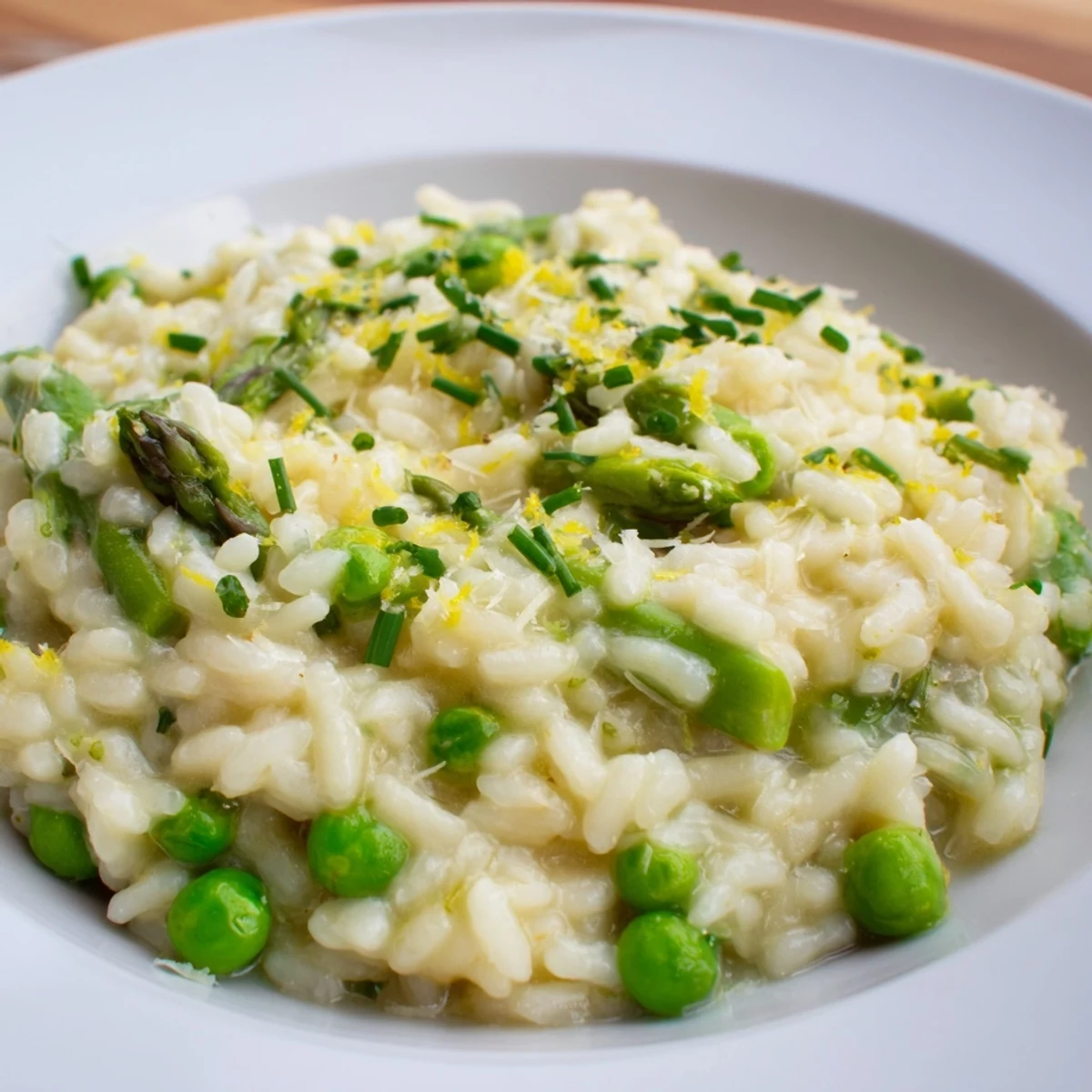
Save Theres something so satisfying about standing at the stove stirring and watching this come together. Spring in a bowl.
Recipe Questions & Answers
- → How do I achieve a creamy texture in this risotto?
-
Slowly adding warm vegetable stock one ladle at a time and stirring frequently helps release starch from the rice, resulting in a rich, creamy texture.
- → Can I use frozen peas instead of fresh ones?
-
Yes, frozen peas can be added directly when the asparagus has been cooking for a bit, maintaining their sweetness and texture.
- → What is the purpose of the lemon zest in this dish?
-
Lemon zest adds a bright, fresh note that balances the richness of the butter and cream in the risotto.
- → How do I ensure the asparagus remains tender but not mushy?
-
Adding asparagus pieces mid-way through cooking and stirring carefully allows them to soften without losing their firm texture.
- → Is it necessary to use white wine in the cooking process?
-
White wine contributes subtle acidity and depth of flavor, but can be omitted or substituted with a splash of lemon juice or additional stock if preferred.