
 Save
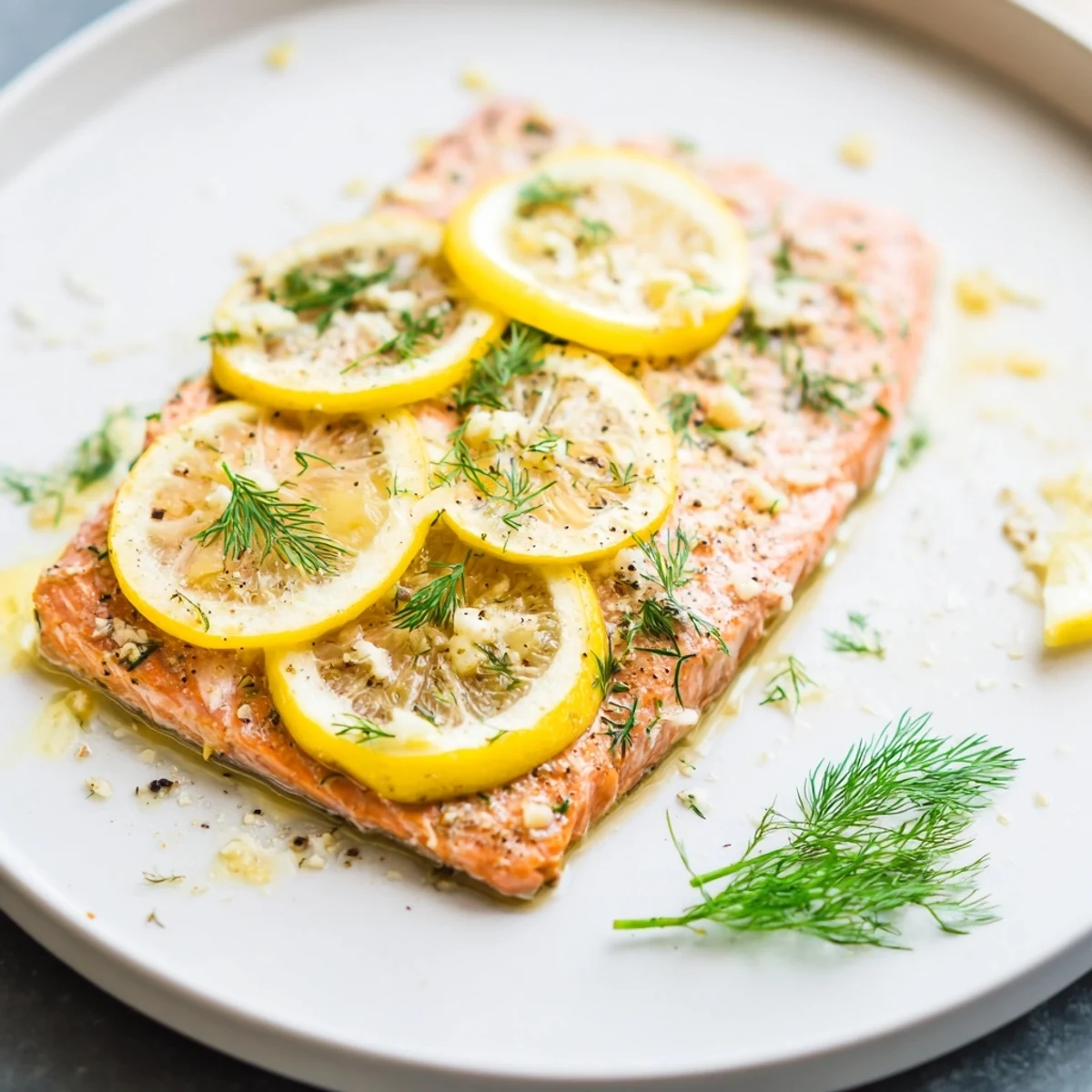
Save This dish features succulent salmon fillets baked with fresh lemon slices, chopped dill, and garlic, resulting in a bright and aromatic flavor profile. Olive oil coats the fish for a delicate crispness, while optional capers and red pepper flakes add subtle complexity. Cooked until flaky and tender, this meal pairs well with roasted vegetables or a crisp salad. Ideal for quick, flavorful dinners, it's both nutritious and simple to prepare.
I still remember the first time I baked salmon at home—it was a Tuesday evening when a friend called unexpectedly asking if they could stop by for dinner. I had salmon in the fridge and about thirty minutes to spare. That night, I discovered that this simple method of baking salmon with lemon and dill wasn't just easy; it was elegant enough to feel like you'd spent hours in the kitchen. Now, it's become my go-to dinner when I want something that tastes impressive but doesn't stress me out.
I'll never forget cooking this for my parents one summer weekend. My mom was skeptical about my cooking abilities at the time, but when she took that first bite and tasted how tender and flavorful the salmon was, something shifted. She asked for the recipe right then and there. Now she makes it at least once a month, and she tells me it's her favorite thing I've ever cooked.
Ingredients
- Salmon fillets (4 pieces, 6 ounces each): The star of the show—whether you choose skin-on or skinless depends on your preference, but I've learned that skin-on fillets stay moister during baking and develop a beautiful texture.
- Olive oil (1 tablespoon): This small amount creates a protective layer that keeps the salmon from drying out and helps the seasonings cling to the fish.
- Sea salt (1/2 teaspoon): Use fine sea salt here rather than table salt; it distributes more evenly and tastes cleaner.
- Freshly ground black pepper (1/4 teaspoon): Grind it fresh just before cooking—pre-ground pepper loses its punch.
- Lemon (1, thinly sliced): Fresh lemon brightens everything and releases its oils as it bakes alongside the salmon, infusing the fish with subtle citrus flavor.
- Fresh dill (2 tablespoons chopped, plus extra sprigs): Dill is the perfect partner for salmon—herbaceous but not overpowering. The fresh stuff makes all the difference; dried dill will disappoint you.
- Garlic (2 cloves, minced): Minced small so it cooks gently in the oven and adds a whisper of savory depth without overwhelming the delicate fish.
- Capers (1 tablespoon, optional): These briny little bursts add complexity and a touch of sophistication if you have them on hand.
- Crushed red pepper flakes (1/4 teaspoon, optional): A small pinch for those who like a gentle heat that plays well with lemon.
Instructions
- Get Your Oven Ready:
- Start by preheating your oven to 400°F (200°C). While it heats up, line your baking sheet with parchment paper or give it a light spray of nonstick spray. This step saves you so much cleanup time later, and I can't imagine doing it any other way now.
- Prepare the Salmon:
- Pat your salmon fillets completely dry with paper towels—this is important because moisture creates steam, and we want the salmon to bake, not steam. Arrange them skin-side down (or on whichever side you prefer) on your prepared baking sheet, leaving a little space between each fillet so the heat can circulate around them.
- Season Generously:
- Drizzle the olive oil over each fillet and use your fingertips to gently rub it across the surface. Sprinkle the salt, pepper, and minced garlic evenly over the salmon. Don't be shy—this is your chance to build flavor before it goes into the oven.
- Layer with Lemon and Herbs:
- Arrange thin lemon slices directly on top of each fillet. Then scatter the fresh chopped dill over everything. If you're using capers and red pepper flakes, add them now. Each component should be visible on top—this is part of the beauty of this dish.
- Bake Until Perfect:
- Slide the baking sheet into your preheated oven and set a timer for 15 minutes. Check at the 15-minute mark by gently pressing the thickest part of a fillet with a fork—it should flake easily. The fish should look opaque, not translucent. You're aiming for an internal temperature of 145°F (63°C) if you're using a thermometer. This usually takes 15 to 18 minutes total, depending on the thickness of your fillets.
- Finish and Serve:
- Remove the baking sheet from the oven and let it sit for just a minute while you gather everything for plating. Garnish each fillet with a few fresh dill sprigs and serve immediately while the salmon is still warm and the lemon slices are soft and fragrant.
 Save
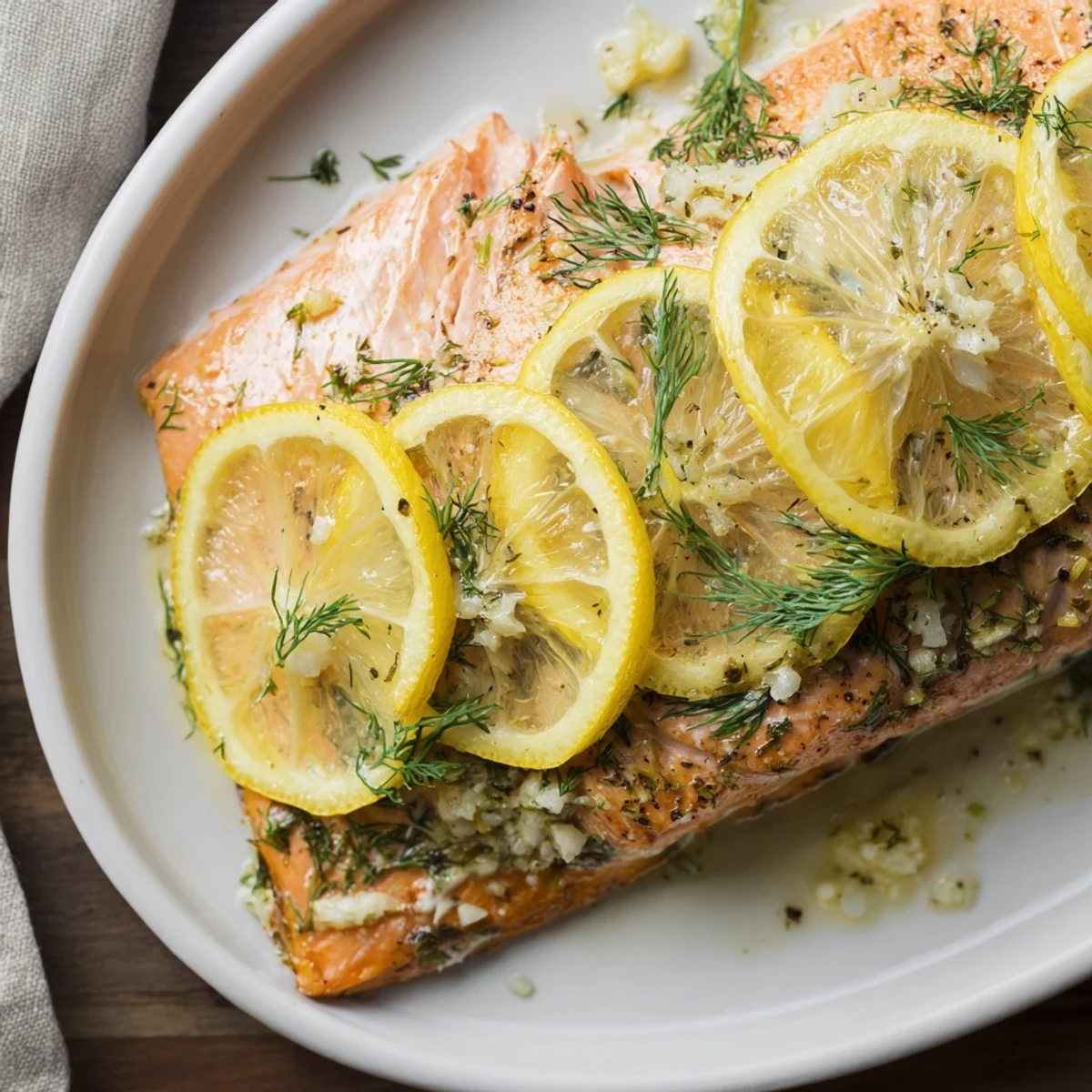
Save There's something about setting a beautiful plate of baked salmon in front of someone and watching their face light up when they taste it that never gets old. It's simple, it's elegant, and it tastes like you cared about the person eating it. That's when food becomes more than just dinner.
Why Baking Is the Perfect Cooking Method
Baking salmon is like a gentle hug for the fish—it cooks evenly from all sides without any aggressive heat that would dry it out. Unlike pan-searing, which requires careful attention and flipping, baking lets you step away and trust the process. The lemon slices and herbs steam together with the salmon, infusing it with flavor from the inside out. Over the years, I've tried every method of cooking salmon, and baking remains the most forgiving and consistently delicious approach, especially when you're cooking for more than one person.
Serving Suggestions That Make Sense
The beauty of baked salmon is how it partners with almost anything on your plate. I've served it alongside roasted asparagus and new potatoes, with a simple arugula salad dressed in lemon vinaigrette, or with roasted broccoli and wild rice. The key is keeping everything light and fresh so the salmon remains the star. A glass of cold Sauvignon Blanc or crisp Pinot Grigio sits perfectly beside this meal—the white wine echoes the lemon notes in the salmon and feels sophisticated without being fussy.
Small Changes That Make a Big Difference
Once you've made this recipe a few times, you'll feel confident playing with it. I've experimented with swapping dill for fresh tarragon when I wanted something more delicate, or parsley when I wanted something more herbaceous. Some evenings, I marinate the salmon in olive oil, lemon juice, and dill for thirty minutes before baking—it deepens the flavor and makes the fish even more tender. You might discover you like a pinch more red pepper flakes, or you might skip them entirely. The foundation is so solid that it welcomes your personal touches.
- Try adding a splash of white wine or fresh lemon juice to the baking sheet for extra moisture and flavor
- If your fillets are thicker than an inch, add a few extra minutes to the baking time and check for doneness at the thickest point
- Leftover salmon is wonderful cold in a salad the next day, so don't hesitate to cook a little extra
 Save
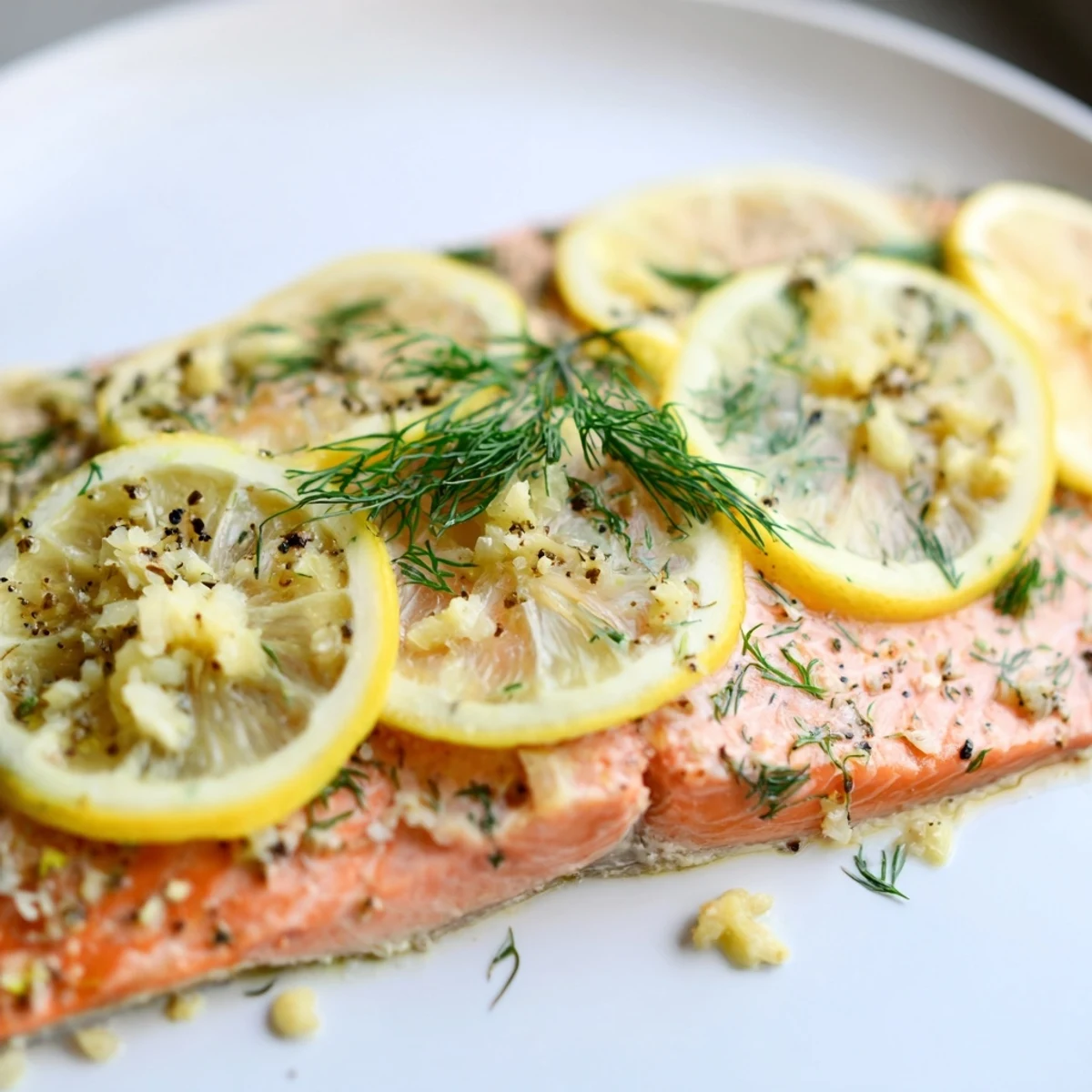
Save This recipe has saved countless dinner nights for me and brought me genuine compliments from people I cook for. It's the kind of dish that proves you don't need complicated techniques or a long ingredient list to create something truly special.
Recipe Questions & Answers
- → What temperature is best for baking salmon?
-
Baking salmon at 400°F (200°C) ensures it cooks evenly and stays moist, typically taking 15-18 minutes depending on thickness.
- → Can I use fresh herbs other than dill?
-
Yes, parsley or tarragon work well as alternatives, offering different aromatic notes that complement the salmon.
- → How do I know when the salmon is done?
-
Salmon is ready when it flakes easily with a fork and appears opaque throughout. An internal temperature of 145°F (63°C) is ideal.
- → What sides pair well with baked salmon?
-
Roasted vegetables, steamed asparagus, or a light green salad enhance the dish’s fresh flavors without overpowering it.
- → Can this be prepared in advance?
-
Marinating the salmon in olive oil, lemon juice, and dill for 30 minutes before baking enhances flavor and can be done ahead of time.